
Could a Vision Problem Be Making School Harder?
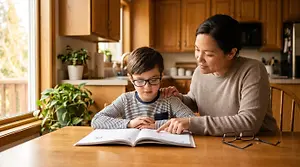
Once school is underway, parents often get a clearer picture of how their child is doing in the classroom. A child may be enthusiastic about school but start struggling with reading, avoiding homework, or complaining that their head hurts by the end of the day.
These concerns can have many causes. Sometimes, though, vision is part of the picture.
Children do not always know that the way they see is different from how others see. They may assume it is normal to squint at the board, lose their place while reading, or feel tired after close-up work. A comprehensive eye exam at Parkway Eyecare can help uncover vision concerns that may be affecting your child at school in Idaho Falls.
Signs Your Child May Be Having Vision Trouble at School
A child does not need to say, “I can’t see,” for a vision concern to be present. Watch for changes that become more noticeable once classroom routines and homework are in full swing, including:
- Headaches after school or during reading
- Squinting to see the board, television, or distant signs
- Holding books very close or sitting unusually close to screens
- Losing their place, skipping lines, or using a finger to keep their spot while reading
- Rubbing their eyes often
- Avoiding reading, homework, or other close-up tasks
- Complaining that words move, blur, or look doubled
- Short attention span during visual tasks
- Difficulty copying notes from the board
These signs do not automatically mean your child has a vision problem. However, persistent difficulties are worth discussing with an eye doctor instead of assuming they are only academic, behavioral, or motivational.
Why School Vision Screenings Are Not the Same as Eye Exams
School vision screenings can be helpful because they may identify children who have trouble seeing at a distance. But a screening is not a complete evaluation of your child’s vision or eye health.
A comprehensive pediatric eye care visit can assess much more than whether your child can read letters on a chart. Your eye doctor may evaluate how well the eyes work together, focus, track across a page, and see clearly at both near and far distances. The exam also gives your doctor the opportunity to assess eye health and discuss any symptoms or concerns you have noticed.
Even children who pass a school screening may benefit from a comprehensive eye exam, particularly if they are having recurring headaches, visual discomfort, trouble with reading, or difficulty seeing the board.
Clear Vision Supports More Comfortable Learning
Good vision does not guarantee academic success, but visual comfort can make everyday learning tasks easier. Students use their eyes throughout the day to read, write, view classroom displays, use digital devices, and participate in activities.
If your child needs vision correction, properly fitted children’s eyeglasses can help them see more comfortably and confidently. Your eye doctor can recommend lenses and frames that suit your child’s prescription, school routine, activities, and personal style.
For some children, an exam may also reveal that their prescription has changed. Keeping up with regular eye care can help ensure they are not working harder than necessary to see clearly in the classroom.
Do Not Wait for a Child to Fall Behind
Children often adapt quietly when they are not seeing comfortably. They may move closer to the board, avoid certain tasks, or simply decide that reading is frustrating. Addressing persistent concerns early gives your family helpful information and a clear next step.
If you have noticed changes in your child’s visual habits since school started, request an appointment with Parkway Eyecare in Idaho Falls. A comprehensive eye exam can help you better understand whether vision may be affecting your child’s school day.