
Women's Eye Health: Vision Changes You Shouldn't Ignore
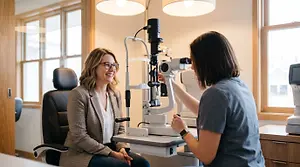
Women balance busy schedules, changing health needs, work, family, and plenty of screen time. In the middle of it all, eye comfort and vision changes can be easy to dismiss. Yet caring for your eyes is an important part of overall wellness at every stage of adulthood.
At Parkway Eyecare, comprehensive eye care is designed to help you see clearly, feel comfortable, and stay proactive about your long-term eye health.
Everyday Changes That Can Affect Eye Comfort
Dry, burning, watery, or tired eyes are common concerns for many women. Hormonal changes throughout adulthood, including pregnancy and menopause, can affect tear production and make dry eye symptoms more noticeable. Time spent looking at phones, tablets, and computer screens may add to the problem, because people tend to blink less when concentrating.
Digital eye strain may cause blurred vision, headaches, neck tension, or difficulty refocusing after a long day. Simple habits can help: take regular screen breaks, blink fully and often, adjust screen brightness, and keep digital devices at a comfortable viewing distance. If eye discomfort is ongoing, a visit for dry eye treatment can help identify the cause and explore solutions suited to your needs.
Sudden vision loss, flashes of light, a curtain-like shadow, severe eye pain, or a sudden increase in floaters should always be evaluated promptly.
Vision Needs Can Change With Age
Many adults begin to notice presbyopia in their 40s. This age-related change makes close-up tasks—such as reading labels, texting, or applying makeup—more challenging. Holding reading material farther away or needing brighter light may be early signs.
Later in life, cataracts, glaucoma, and age-related changes can also affect vision. Cataracts may cause cloudy vision, increased glare, or colors that appear less vibrant. Glaucoma can develop quietly and may not cause noticeable symptoms until vision has been affected, which is one reason routine exams are so important.
A comprehensive eye exam can evaluate your prescription as well as the health of structures inside the eye. Your doctor can monitor changes over time and discuss the exam schedule that makes sense for your age, health history, and visual needs.
Build Eye Care Into Your Wellness Routine
Preventative eye care does not have to be complicated. Wearing sunglasses with UV protection, using proper lighting for close work, eating a balanced diet, managing health conditions such as diabetes or high blood pressure, and giving your eyes regular breaks from screens all support eye health.
It is also important to use the vision correction that works best for your lifestyle. Well-fitted glasses can improve comfort during work, driving, reading, and daily tasks. For contact lens wearers, a current contact lens exam helps confirm that your lenses continue to provide healthy, comfortable vision.
Eye exams are also a chance to discuss concerns that may feel small but matter in daily life: fluctuating vision, trouble driving at night, dry eyes, or the need for stronger reading correction. These details can help your eye doctor recommend practical options for clearer and more comfortable vision.
Put Your Vision on the Wellness Checklist
Women's eye health changes over time, but regular attention can help you stay ahead of concerns and make informed decisions about your vision. Make comprehensive eye care part of your annual wellness routine. Request an appointment with Parkway Eyecare in Idaho Falls today.