Pediatric Eye Care at Parkway Eyecare
From reading their first book to playing sports, kids rely on their vision every single day. That’s why families in Idaho Falls, Ammon, Rigby, Ucon, and Rexburg turn to Parkway Eyecare for trusted children’s eye care.
Dr. Justin Heintz and our team take the time to make each child’s exam comfortable and stress-free, while giving parents clear answers and peace of mind.
Why Are Children's Eye Exams Important?
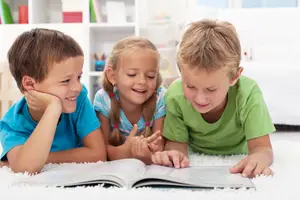
Some childhood vision problems can be difficult to detect without a professional examination. Conditions like lazy eye or crossed eyes may not always be obvious to parents, yet early treatment makes all the difference.
Regular eye exams help us detect vision changes, support learning in school, and prevent small issues from turning into bigger problems. From toddlers to teens, we’re here to make sure your child sees clearly.
Signs Your Child May Need an Eye Exam
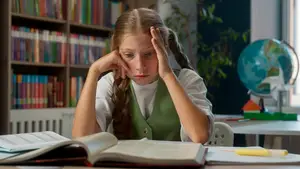
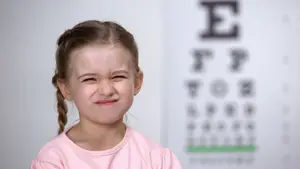
It’s not always easy for kids to explain when something feels “off” with their vision. Many children don’t realize their eyesight isn’t normal; they just adapt. That’s why it’s important for parents to watch for the signs that a child might need an eye exam:
-
Squinting, frequent eye rubbing, or tilting the head
-
Sitting very close to books, screens, or the TV
-
Difficulty paying attention in class or struggling to read
-
Covering one eye to see better
-
Complaints of headaches, tired eyes, or blurry vision
If you notice any of these symptoms, an eye exam can provide clear answers. Dr. Heintz makes the process simple and comfortable, so your child feels at ease, and you leave with peace of mind.
Common Children’s Eye Conditions
Many vision problems in children can be treated effectively if caught early. During a pediatric eye exam, Dr. Heintz looks for the most common conditions that may affect your child’s sight, including:
-
Amblyopia (Lazy Eye): When one eye doesn’t develop normal vision, often because the brain favors the other eye.
-
Strabismus (Eye Turn): Misaligned eyes that can lead to double vision or poor depth perception if untreated.
-
Myopia (Nearsightedness): Clear vision up close but blurry at a distance—a condition that’s becoming more common in kids.
-
Astigmatism or Hyperopia (Blurry Vision): Distorted or unfocused vision that can make reading and focusing difficult.
By identifying these issues early, Parkway Eyecare can support your child’s vision and prevent small problems from becoming bigger challenges.
When Should Kids Have Eye Exams?
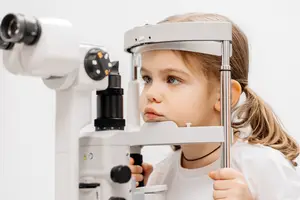
Children’s eyes change quickly as they grow, which is why regular eye exams are so important. Experts recommend the first exam around age one, another before starting school, and yearly checkups after that. These visits help us track your child’s vision and give them the best chance to succeed.
At Parkway Eyecare, we make eye exams comfortable and reassuring for kids and parents. Whether it’s your toddler’s first visit or your teenager’s yearly checkup, we’ll take the time to explain results in simple terms and answer all your questions.
What to Expect at Parkway Eyecare
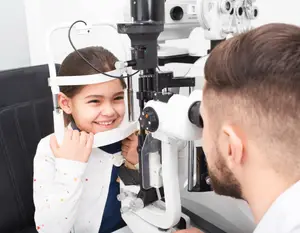
We know kids may feel nervous about visiting the eye doctor, so we make the experience as easy as possible. Our pediatric eye exams are gentle, thorough, and reassuring for both children and parents.
During your child’s visit, Dr. Heintz will:
-
Check Vision Clearly: We measure how well your child sees at different distances to make sure their eyesight is on track.
-
Evaluate Eye Alignment: We look at how the eyes work together, checking for concerns like eye turns or lazy eye.
-
Examine Eye Health: Using child-friendly tools, we check for early signs of eye conditions that may not show symptoms right away.
-
Discuss Results: We explain everything in simple language, answer questions, and share next steps if care is needed.
Our goal is to keep your child comfortable and engaged throughout the exam, while also giving parents peace of mind about their child’s vision.

Myopia in Children
More kids are becoming nearsighted (myopia) at younger ages. This means they can see well up close but struggle to see the board in class, follow the ball in sports, or recognize faces across the room. Left untreated, myopia often gets worse as children grow, increasing their risk of severe eye problems later in life.
We offer myopia management programs designed to slow progression and protect your child’s long-term vision. Options like MiSight® contact lenses and multifocal soft lenses are safe, effective, and tailored to each child’s needs.
Protect Your Child’s Vision!
Clear, healthy vision helps kids thrive at home, in school, and at play. At Parkway Eyecare, our children’s eye exams are gentle, thorough, and reassuring for the whole family.
Schedule your child’s eye exam and see why families across Idaho Falls, Ammon, Rigby, Ucon, and Rexburg trust Parkway Eyecare with their children’s vision.